🚚 Free Shipping on Orders > $100, Flat Rate $9.50 otherwise, anywhere we ship in the US.
🚚 Ships Mondays starting Late March/Early April
✅ Live arrival guarantee
✅ 30-day establishment guarantee
Garden edges and composting areas quickly turns into grassy weeds, crusty dryness, and constant upkeep—right where you want things tidy, accessible, and productive. Weeds move in fast, steal moisture and nutrients, and turn what should be a clean border or easy compost workflow into a recurring chore of trimming, pulling, and re-clearing.
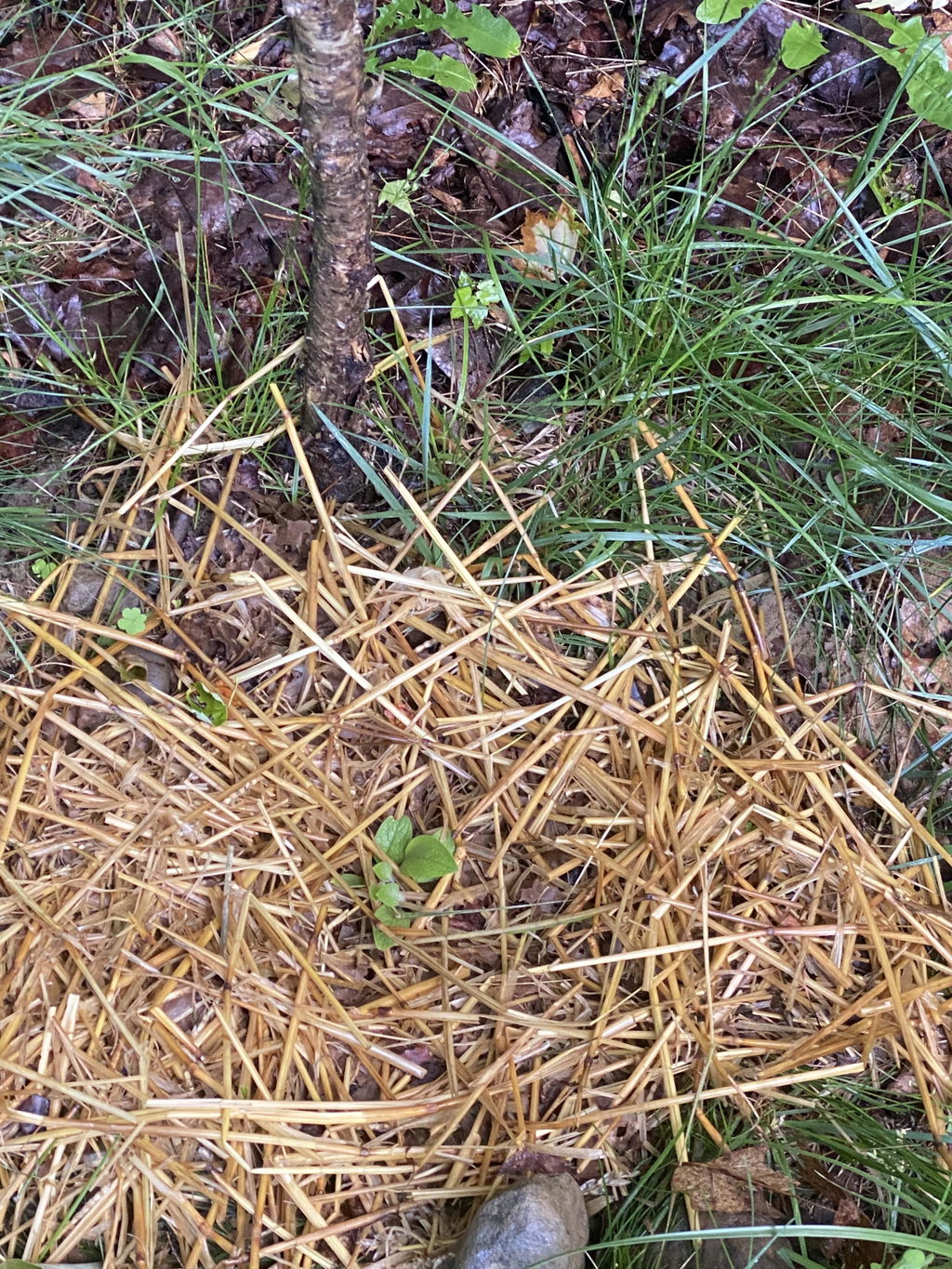
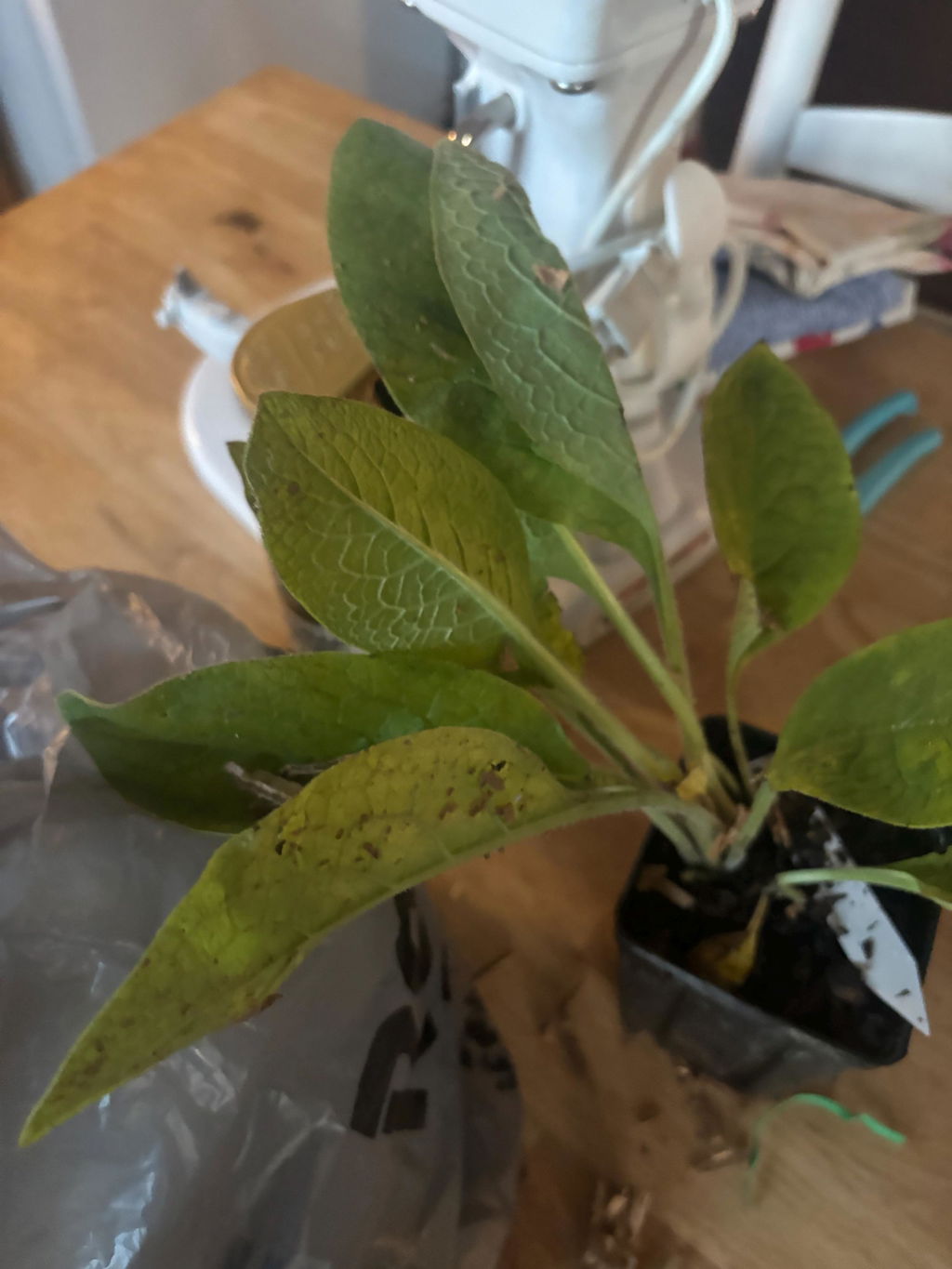
Bocking 14 comfrey root cuttings are the most economical way to build a low-fuss border or biomass patch at scale. You plant once, water them in, and let comfrey do what it does best: produce dependable biomass you can cut for chop-and-drop mulch, compost feedstock, and long-term soil cycling—without the risk of self-seeding spread.
These cuttings are offered in pack sizes of 12, 25, or 75 so you can start small or establish larger areas efficiently. And when we can, we’ll include a few extras to improve your odds of getting your full stand established.
Why these Root Cuttings Work (and Why Bocking 14 Root Cuttings)
Bocking 14 (non-seeding) gives you confidence
You get comfrey’s famous benefits—biomass, pollinators, and soil cycling—without worrying about it spreading by seed. Bocking 14 stays where you plant it and expands by clumping over time.
Root cuttings are the best way to plant bigger areas economically
If you’re building a patch, a row, or an orchard understory system, root cuttings give you the lowest cost per plant. They’re ideal for growers who care more about getting coverage and long-term output than instant above-ground growth.
Dormant shipping = less stress, better transit durability
Dormant cuttings travel well, handle shipping conditions better than leafy plants, and are ready to wake up once planted into moist soil.
Made for compost feedstock and mulch production
Once established, comfrey becomes a reliable “biomass engine” you can cut and cycle into your system—supporting moisture retention, weed suppression, and nutrient movement around your trees and beds.
Root Cuttings: Best for / Not for
Best for
-
Establishing larger areas economically (orchard alleys, food forest zones, long rows, garden borders, compost-adjacent beds)
-
Growers who want maximum plants per dollar
-
Understory systems where you’ll harvest biomass for mulch/compost
-
Homesteaders who want a plant-once perennial that comes back for years
Not for
-
Anyone who wants the fastest visible results (crowns, plugs, or plants are quicker above ground)
-
People who can’t keep the area evenly moist for the first couple weeks
-
Spots that will be disturbed (digging, repeated foot traffic, cultivation) while cuttings are sprouting
-
Very small containers only (comfrey performs best in-ground with room to root)
The Simple 3-step plan for Root Cuttings
-
Choose your pack size
Start with 12 to trial placement, 25 to build a patch, or 75 to establish a serious stand.
-
Plant & keep evenly moist
Plant cuttings 2–3" deep and prioritize moisture during the first 10–14 days—this is the #1 factor for success.
-
Cut & cycle the biomass
Once established, cut leaves for chop-and-drop mulch or compost inputs and let the plant regrow—season after season.
What you’ll receive
-
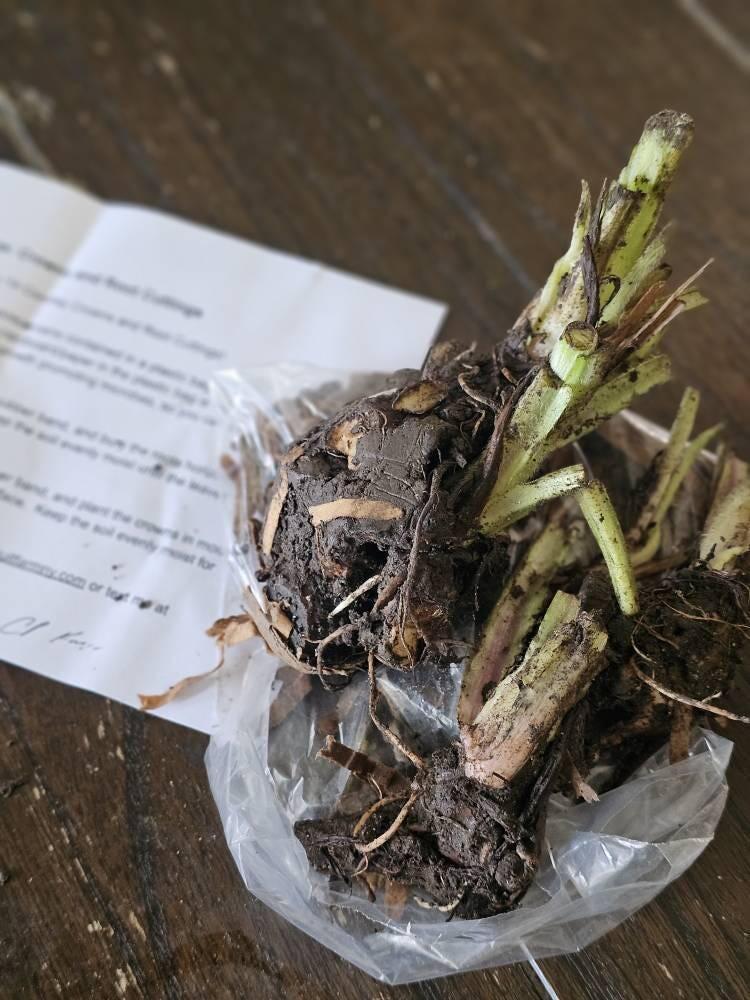
Dormant Bocking 14 comfrey root cuttings (your chosen pack size: 12, 25, or 75)
-
Freshly cut + ready to plant upon arrival
-
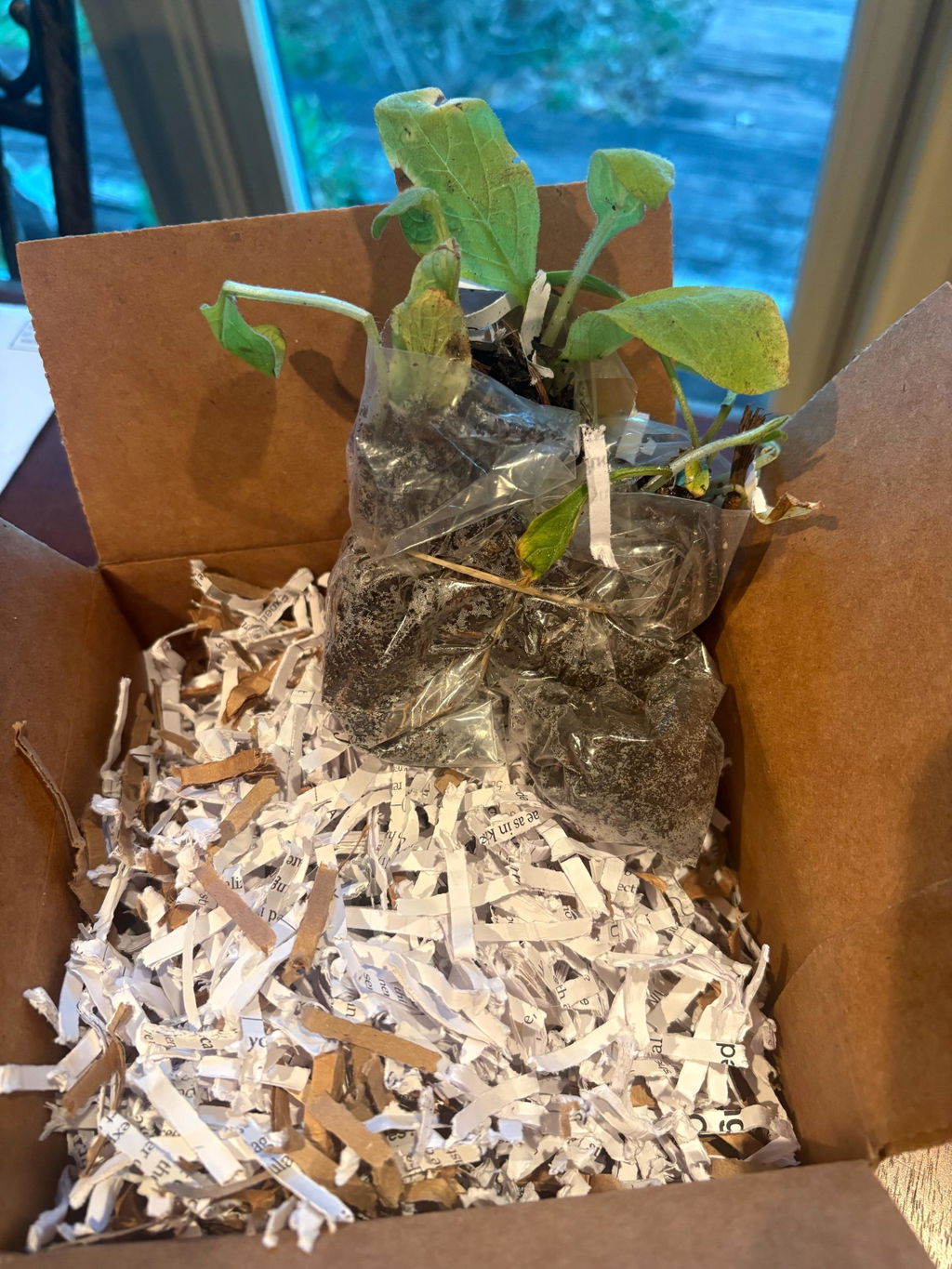
Packed to stay protected and viable in transit (dormant cuttings ship tough)
-
Extras when possible: When we have additional viable cuttings available, we’ll include a few at no charge to improve the odds you end up with your intended number of plants established
-
Quick-start planting guide (simple steps for depth, spacing, and the “first two weeks” watering plan)
Good to know: Root cuttings arrive dormant (no leaves). That’s normal—and often better for shipping. With moisture and warming soil, they’ll wake up and send shoots.
Choose your pack size (quick guide)
12 Root Cuttings — “Try it and place it right”
Best if you’re:
-
Testing a few locations (under trees, compost area, bed edges)
-
New to comfrey and want a small, low-risk start
-
Planning to expand later by dividing plants once established
25 Root Cuttings — “Build a real patch”
Best if you’re:
-
Creating a dedicated mulch/compost supply zone
-
Planting around multiple trees or along a short orchard edge
-
Wanting noticeable biomass production without going “full stand” yet
75 Root Cuttings — “Establish at scale”
Best if you’re:
-
Planting orchard alleys, longer rows, or a food forest system
-
Building a serious biomass engine for chop-and-drop and compost
-
Prioritizing the lowest cost per plant to cover more ground efficiently
Rule of thumb:
-
Choose 12 if you’re experimenting
-
Choose 25 if you’re building a patch
-
Choose 75 if you’re planting rows / orchard systems at scale
(Weather and soil moisture affect timing—cuttings are typically slower than crowns, but great for scaling.)
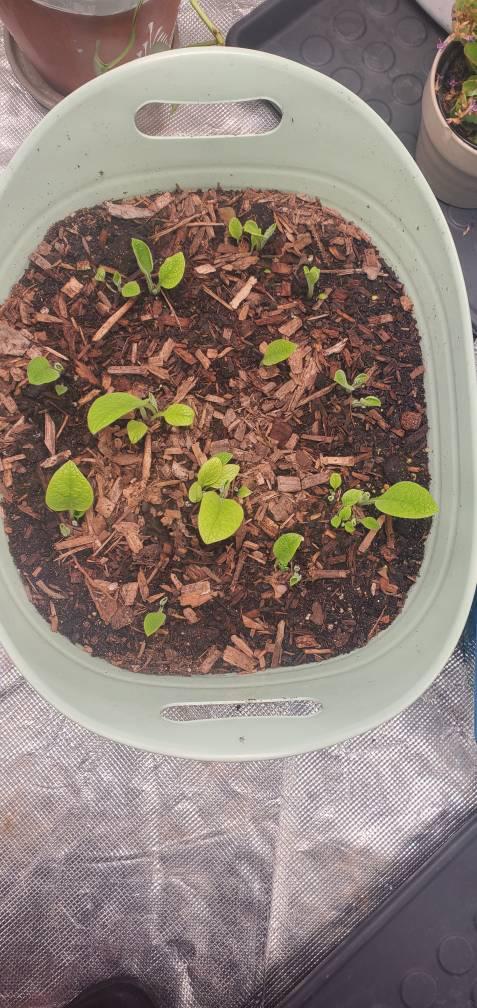
- Sprout / first shoots: often 2–5 weeks after planting in good conditions
- First light harvest: typically later in the first season once plants are established and putting on strong growth
- Full production: generally season 2, when plants are mature enough for heavier, repeat cutting
- Ongoing cut schedule: once established, you can cut when growth reaches ~18" and allow time to regrow between cuts
Light: Full sun to partial shade
Soil: Most soils work; best performance in reasonably well-drained soil with organic matter
Spacing:
- Patch/understory: 24" apart
- Row planting: 18–24" apart depending on how dense you want the stand
Planting depth & orientation:
- Bury cuttings horizontally 2–3 inches deep (or vertical is fine if you prefer), then firm soil and water in
Water:
- Keep evenly moist during the first 10–14 days (this is the #1 success factor for cuttings)
- After establishment, water mainly during drought
Mulch: Light mulch helps hold moisture—especially in exposed orchard soils
Top 3 success tips:
- Plant promptly after delivery (don’t let cuttings dry out)
- Prioritize moisture the first 2 weeks
- Mark planting spots so you don’t accidentally disturb them while they’re sprouting