


Comfrey FAQ
Is this sterile (non-seeding) Bocking 14 Comfrey?
Yes—this is Bocking 14, a sterile comfrey type that spreads by clumping rather than self-seeding.
Will Bocking 14 Comfrey “take over” my yard?
It doesn’t spread by seed, but it’s a persistent perennial where planted. Choose your location intentionally and avoid moving soil containing root pieces.
Where should I plant my Bocking 14 Comfrey?
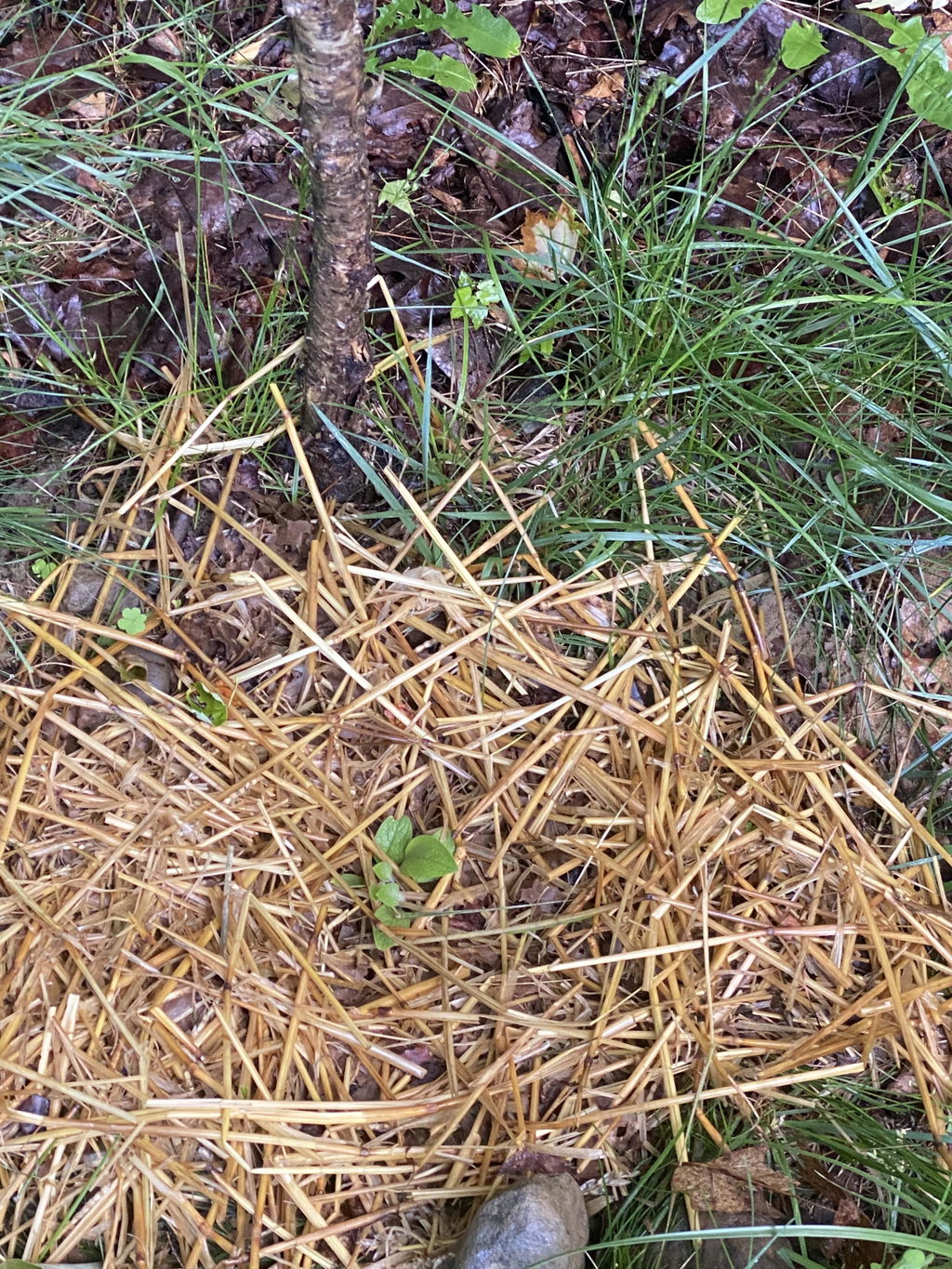
Plant your comfrey under fruit trees, along edges, or near compost systems — places where you’ll benefit from biomass and living mulch.
How many comfrey crowns or comfrey plants do I need?
For patches, start with a few and expand as you learn how much biomass you want. Many growers build around 1–3 plants per tree area over time depending on spacing and goals.
Space 3 plants plants 1 1/2 to 2 feet apart in a triangle configuration for complete coverage under a tree.
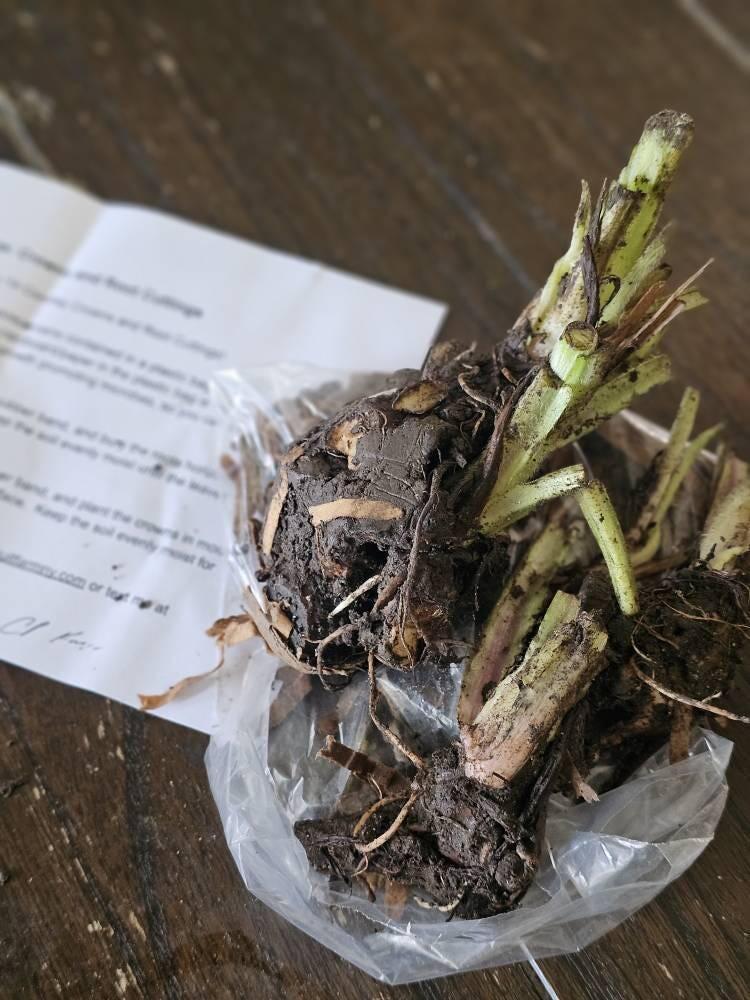
How many comfrey root pieces do I need?
Root pieces should be spaced about 1 1/2-2 feet apart. Measure the length of row you want to fill and divide by 1 1/2 to 2 feet to determine how many root cutting pieces you need. Closer planting results in quicker fill and more dense ground cover.
When can I harvest comfrey?
Harvest once the plant is established and putting on strong growth. A common rule is to cut when foliage reaches ~18" tall.
Allow first year plants to establish well before harvesting heavily.
After the first year you can harvest 3-4 times per year.
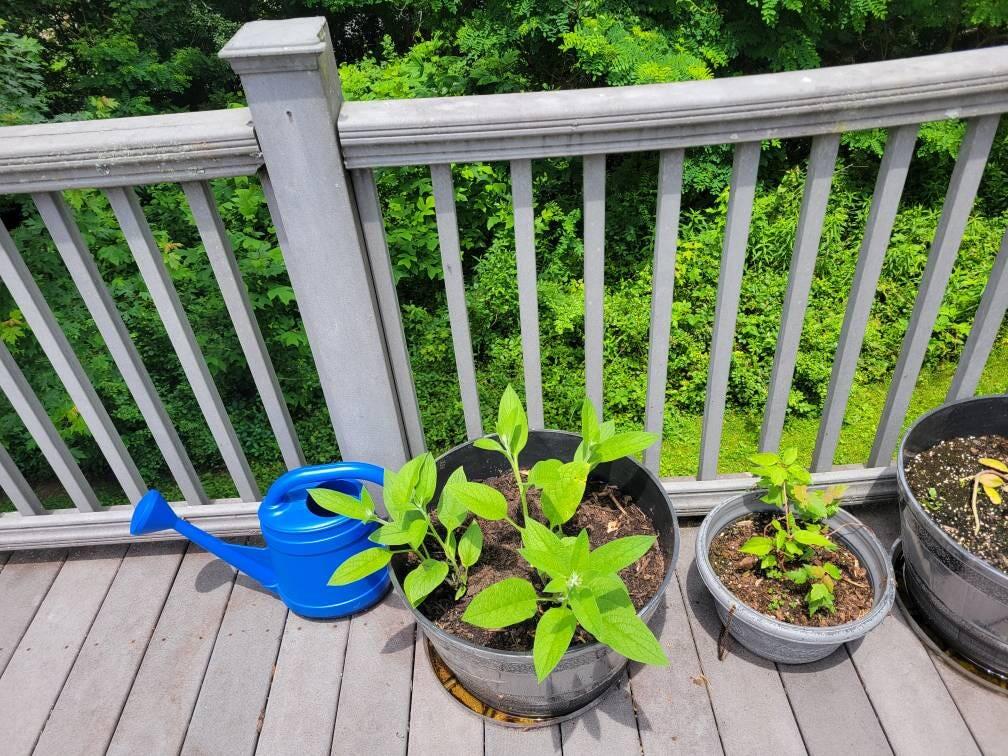
Can I grow comfrey in a container?
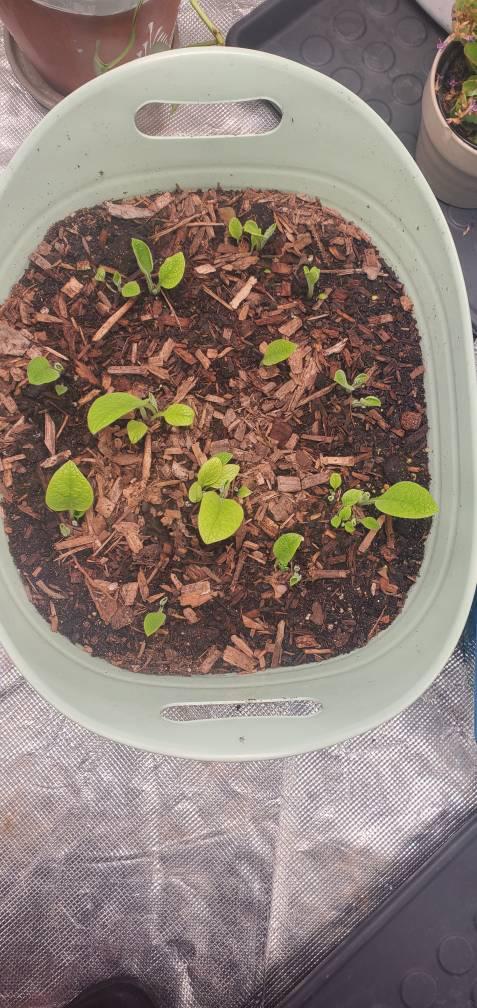
It can be grown in a large container, but comfrey prefers room to root and will perform best in-ground.
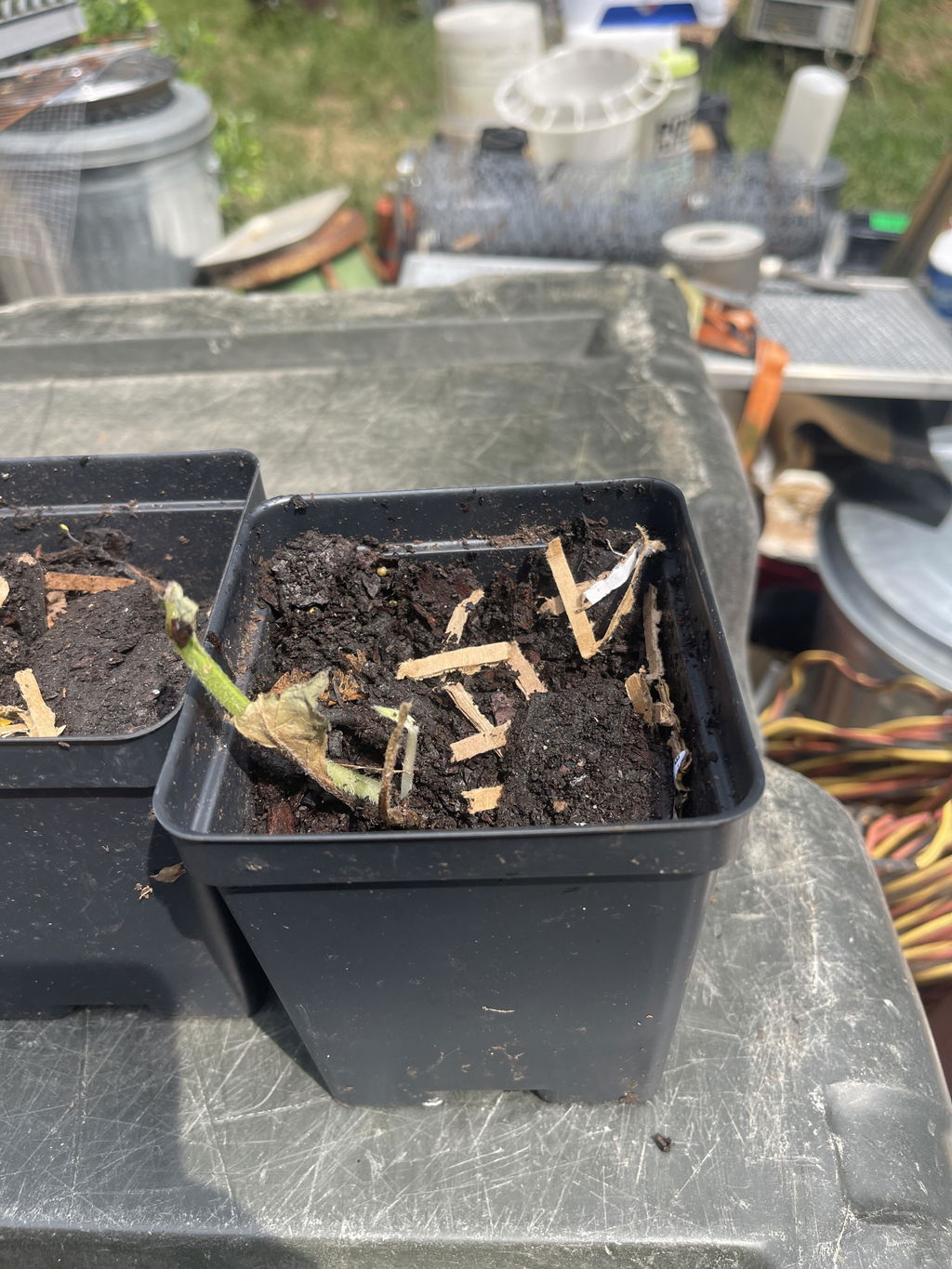
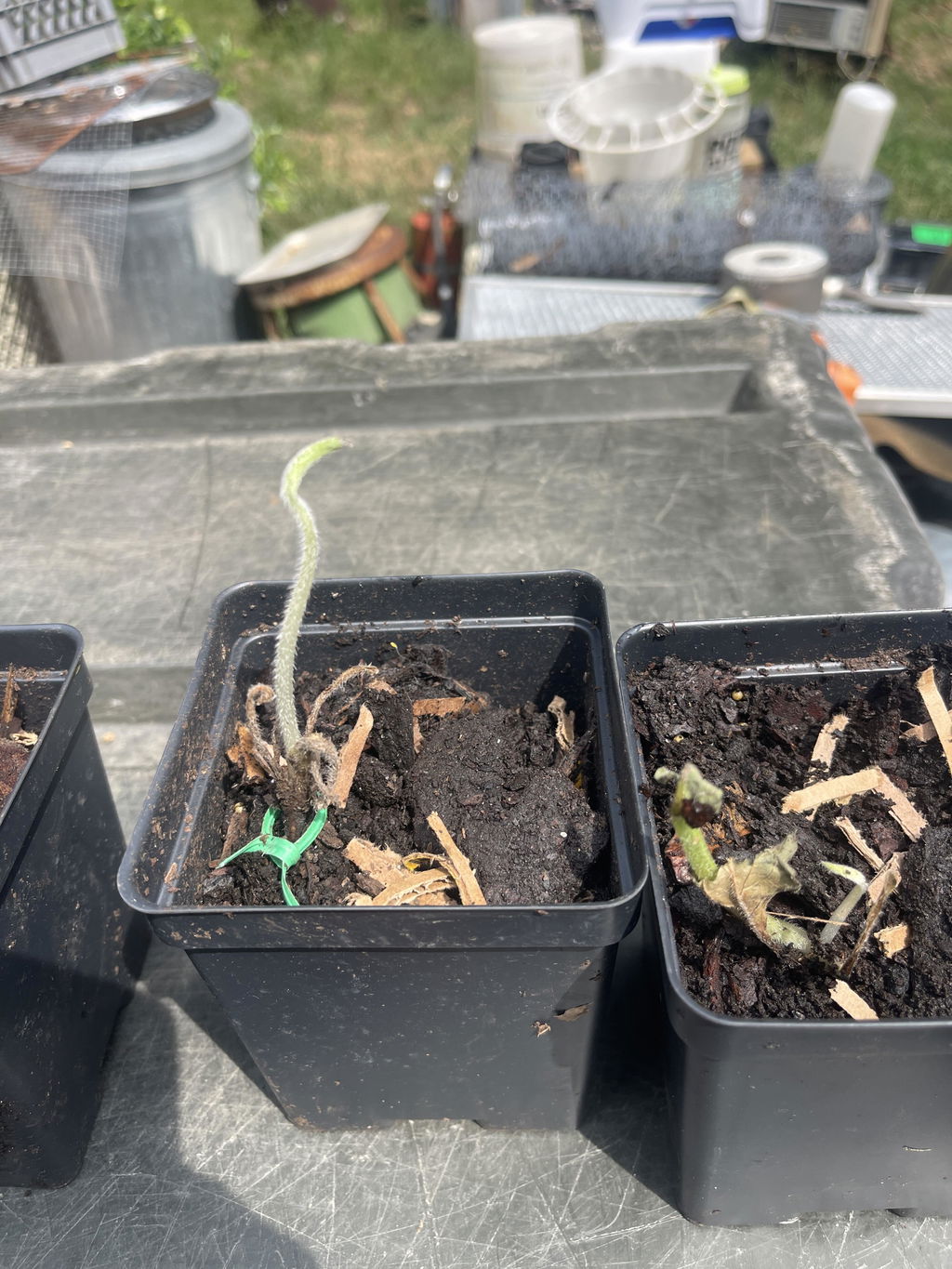
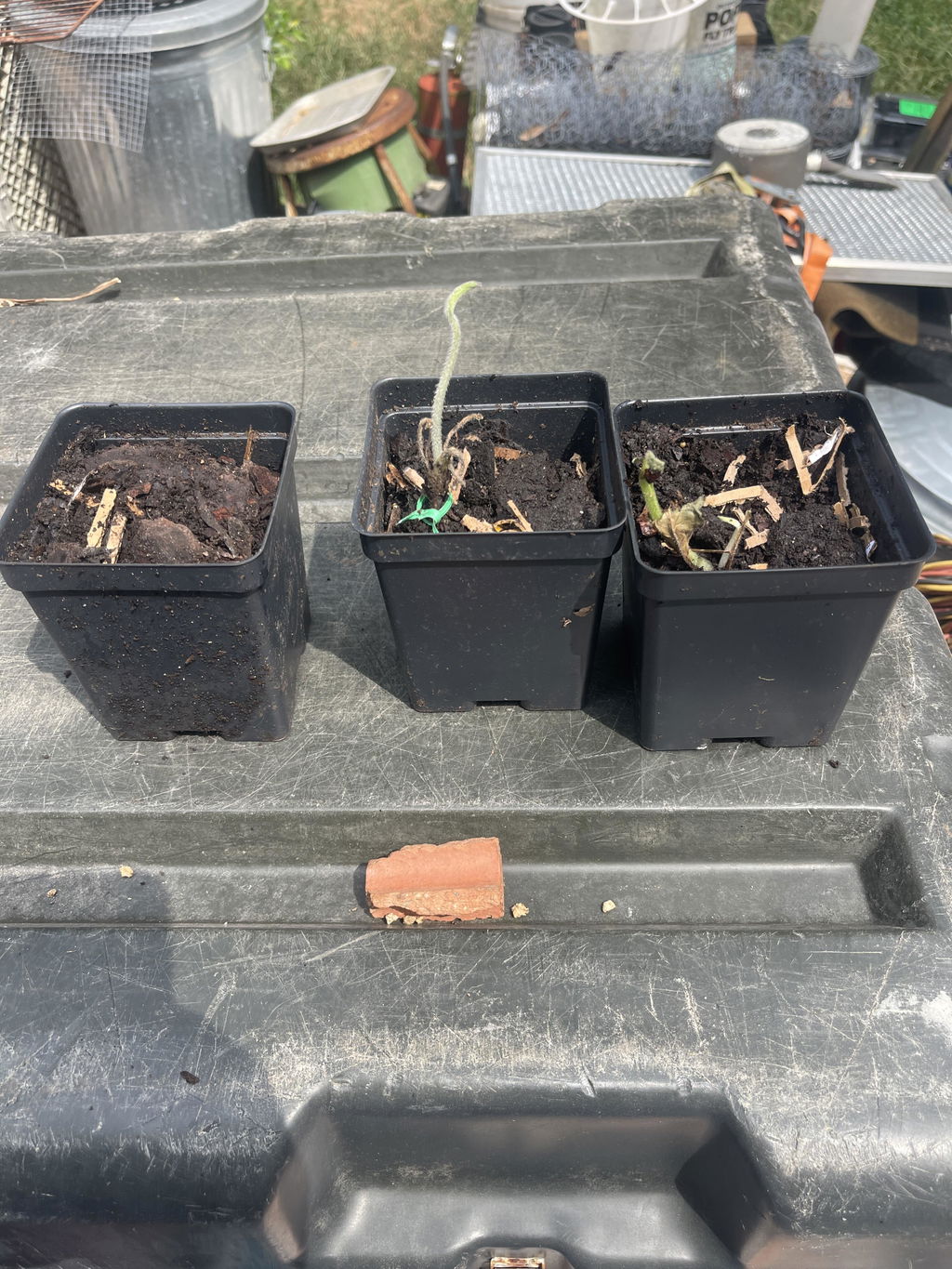
What if it arrives looking tired or wilted?
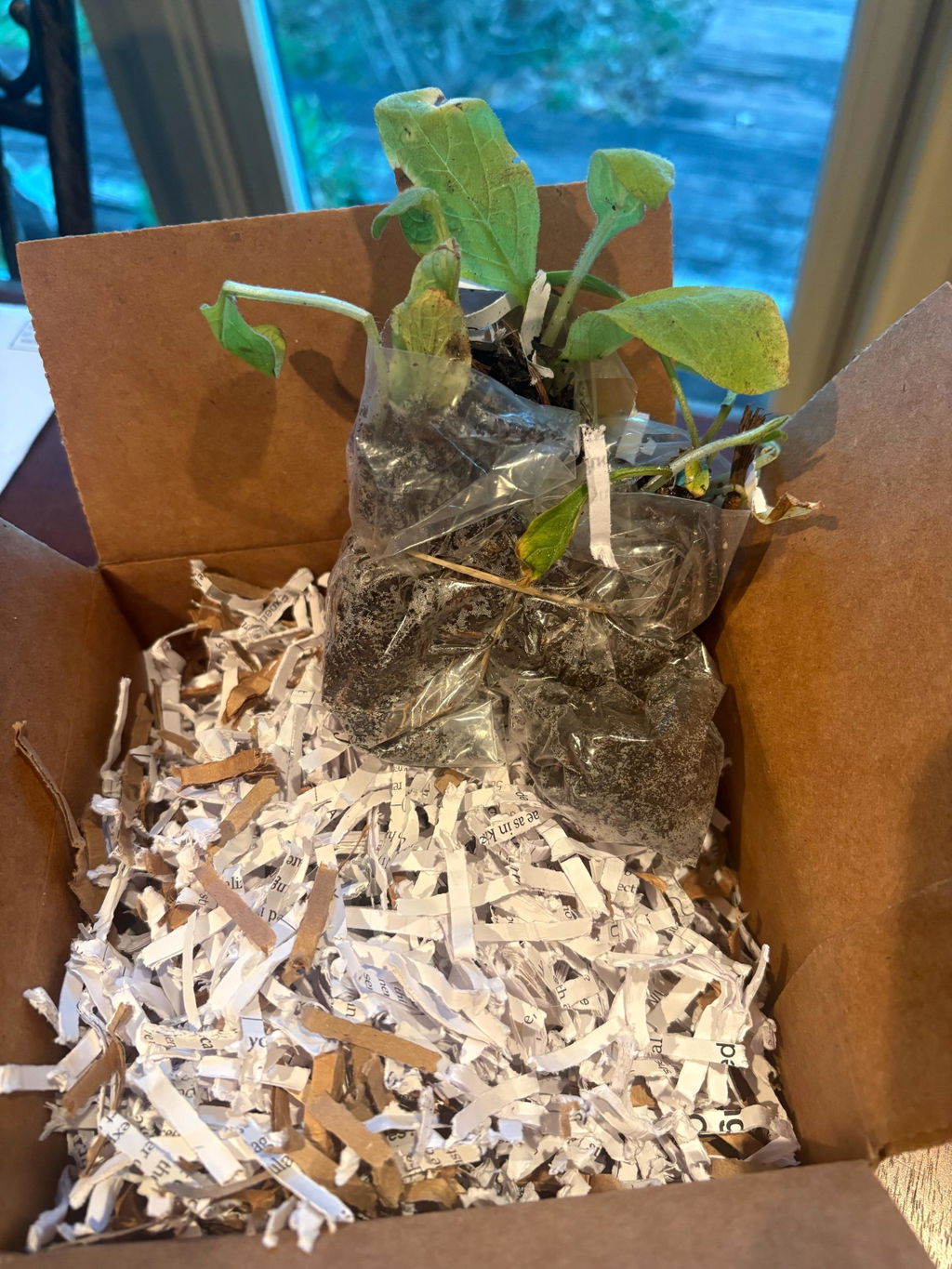
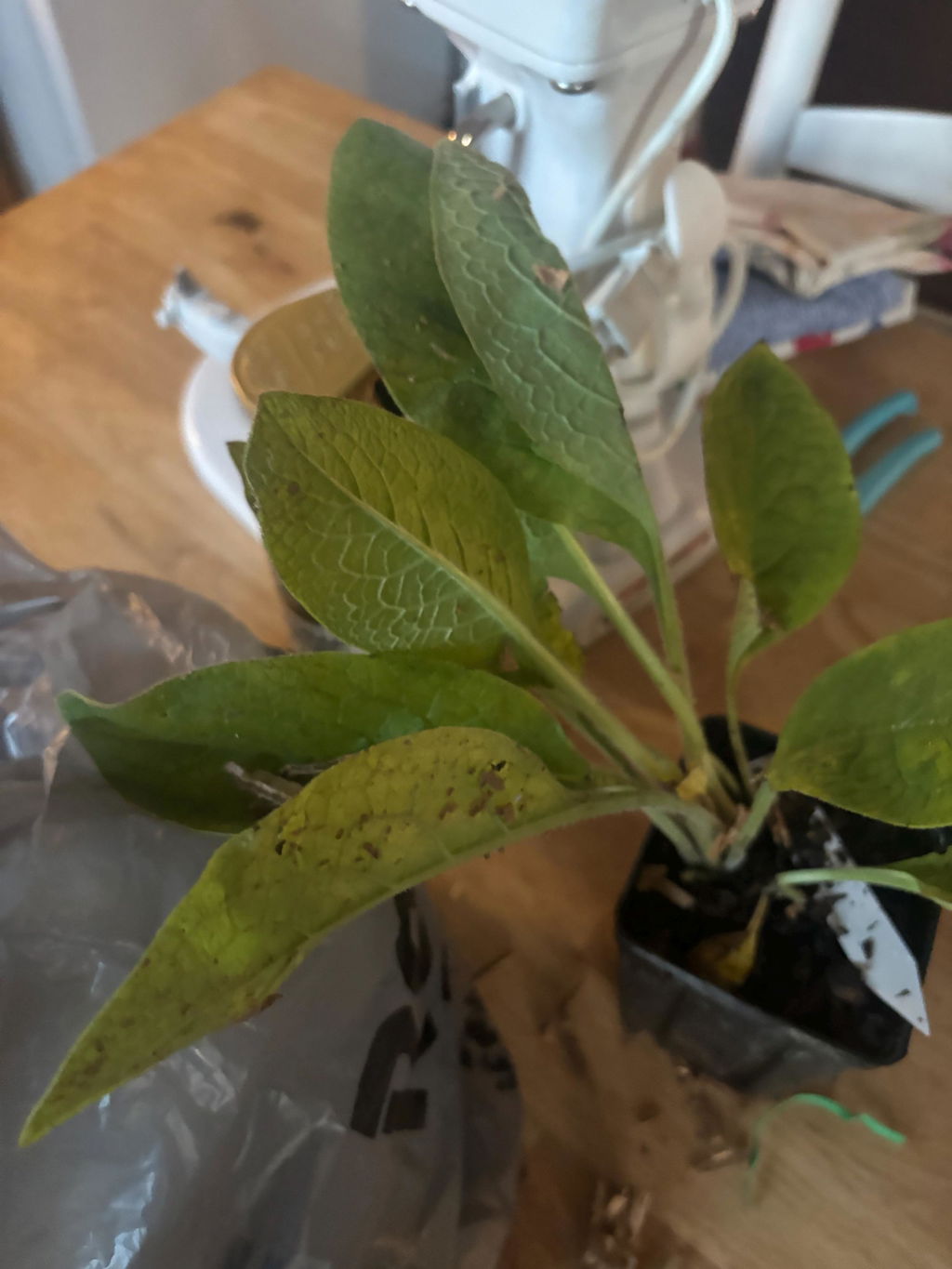
Some transit stress is normal. Plant promptly, water in, and keep evenly moist during the first couple of weeks.
Your plant should recover completely in a couple weeks.
What zones does it grow in?
Comfrey grows well in USDA Zones 4-9.